Location: The Chelsea Center, Gulf Gate, Sarasota
Time: Approximately 9:00-9:10
Constellations: Auriga, Gemini, Ursa Major, Leo, Crater, Corvus, Bootes
Planets: Jupiter, Mars
Stars: Capella, Castor, Pollux, Regulus, Arcturus
Monday, May 19, 2014

Friday, May 16, 2014
Gerard Kuiper Biography
Born in 1905 in the Netherlands, Gerard Kuiper (original name Gerrit Pieter Kuiper) was a major contributor to astronomical science for his studies of the solar system. In fact, he's been deemed the father of modern planetary science.
Kuiper was the first of four children, with his sister Augusta, and brothers Pieter and Nicolaas. His father was a tailor.
Kuiper graduated from the University of Leiden in 1927, where he was certified to teach high school mathematics, and got his PhD from the same school in 1933. His interest in astronomy was first sparked when reading the philosophical musings of Descartes and was encouraged by the men in his family, who gave him his first telescope. While in college, he worked closely with double-star astronomer Robert Aitken.
The same year he graduated, he moved to the US, gained citizenship, and began working at Yerkes Observatory at the University of Chicago. Later he served as director from 1947-49 and 1957-60. He founded the Lunar and Planetary Observatory at the University of Arizona in 1960, where he remained director until his death. He was editor for two encyclopedias, The Solar System (4 vol., 1953-58) and Stars and Stellar Systems (9 vol., 1960-68).
His discoveries include: Saturn's satellite Titan (1944), the rings of Saturn are made of particles of ice (1947), the CO2 atmosphere of Mars (1948), Uranus's satellite Miranda (1948), Neptune's satellite Nereid (1949), the proposition of the origin of the solar system by condensation of a large gas cloud around the sun (1949), the disk region of minor planets that lies just outside of Neptune's orbit called the Kuiper Belt (1951), Mars' water-based polar ice caps (1956), and predicted what it would feel like to walk on the moon (like crunchy snow) which was confirmed by Neil Armstrong (1964).
In addition to his discoveries, he was the chief scientist on the Ranger lunar-probe program, and through that, was able to analyze photographs and identify sites for the Surveyor and Apollo programs. He worked closely with NASA on their airborne astronomy projects, observing things in space not yet viewed on earth, specifically spectroscopy of the Sun, stars, and planets, from the telescope placed on the jet Convair 990.
He died in Mexico City in December 1993 while on a trip with his wife and his friend Fred Whipple. Posthumously, he was honored for his infrared astronomy research when NASA named their airborne infrared telescope, the Kuiper Airborne Observatory, craters on the Moon, Mercury, and Mars, were named after him.
Kuiper was the first of four children, with his sister Augusta, and brothers Pieter and Nicolaas. His father was a tailor.
Kuiper graduated from the University of Leiden in 1927, where he was certified to teach high school mathematics, and got his PhD from the same school in 1933. His interest in astronomy was first sparked when reading the philosophical musings of Descartes and was encouraged by the men in his family, who gave him his first telescope. While in college, he worked closely with double-star astronomer Robert Aitken.
The same year he graduated, he moved to the US, gained citizenship, and began working at Yerkes Observatory at the University of Chicago. Later he served as director from 1947-49 and 1957-60. He founded the Lunar and Planetary Observatory at the University of Arizona in 1960, where he remained director until his death. He was editor for two encyclopedias, The Solar System (4 vol., 1953-58) and Stars and Stellar Systems (9 vol., 1960-68).
His discoveries include: Saturn's satellite Titan (1944), the rings of Saturn are made of particles of ice (1947), the CO2 atmosphere of Mars (1948), Uranus's satellite Miranda (1948), Neptune's satellite Nereid (1949), the proposition of the origin of the solar system by condensation of a large gas cloud around the sun (1949), the disk region of minor planets that lies just outside of Neptune's orbit called the Kuiper Belt (1951), Mars' water-based polar ice caps (1956), and predicted what it would feel like to walk on the moon (like crunchy snow) which was confirmed by Neil Armstrong (1964).
In addition to his discoveries, he was the chief scientist on the Ranger lunar-probe program, and through that, was able to analyze photographs and identify sites for the Surveyor and Apollo programs. He worked closely with NASA on their airborne astronomy projects, observing things in space not yet viewed on earth, specifically spectroscopy of the Sun, stars, and planets, from the telescope placed on the jet Convair 990.
He died in Mexico City in December 1993 while on a trip with his wife and his friend Fred Whipple. Posthumously, he was honored for his infrared astronomy research when NASA named their airborne infrared telescope, the Kuiper Airborne Observatory, craters on the Moon, Mercury, and Mars, were named after him.
APOD 4.8
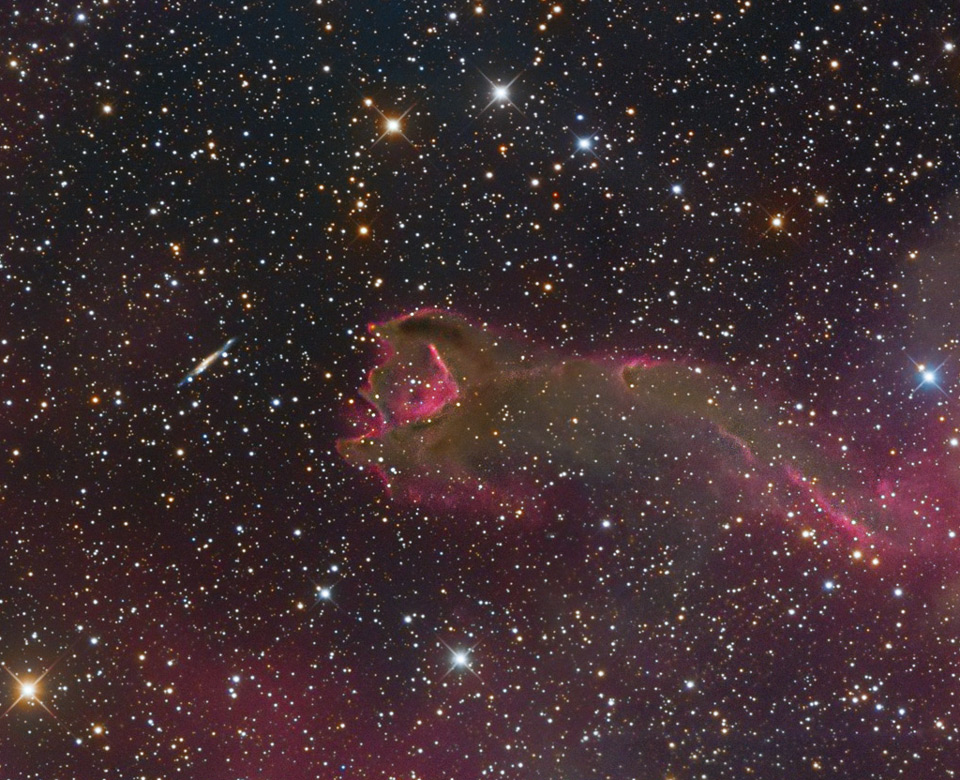
Monday, May 12, 2014
APOD 4.7
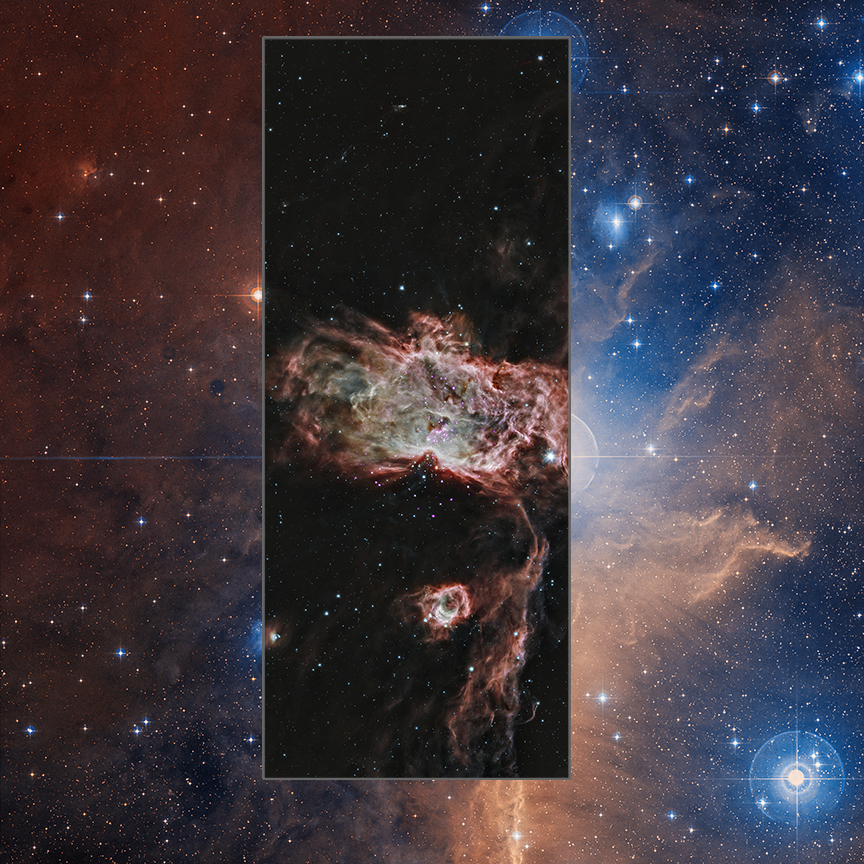
Monday, May 5, 2014

Thursday, May 1, 2014
APOD 4.6
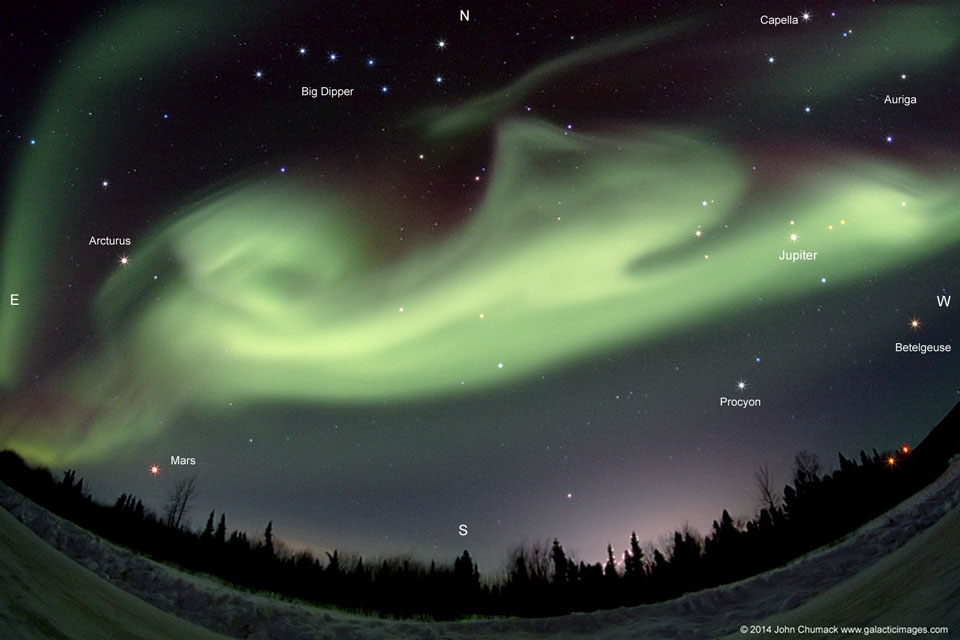
Subscribe to:
Posts (Atom)