Location: The Chelsea Center, Gulf Gate, Sarasota
Time: Approximately 9:00-9:10
Constellations: Auriga, Gemini, Ursa Major, Leo, Crater, Corvus, Bootes
Planets: Jupiter, Mars
Stars: Capella, Castor, Pollux, Regulus, Arcturus
Monday, May 19, 2014

Friday, May 16, 2014
Gerard Kuiper Biography
Born in 1905 in the Netherlands, Gerard Kuiper (original name Gerrit Pieter Kuiper) was a major contributor to astronomical science for his studies of the solar system. In fact, he's been deemed the father of modern planetary science.
Kuiper was the first of four children, with his sister Augusta, and brothers Pieter and Nicolaas. His father was a tailor.
Kuiper graduated from the University of Leiden in 1927, where he was certified to teach high school mathematics, and got his PhD from the same school in 1933. His interest in astronomy was first sparked when reading the philosophical musings of Descartes and was encouraged by the men in his family, who gave him his first telescope. While in college, he worked closely with double-star astronomer Robert Aitken.
The same year he graduated, he moved to the US, gained citizenship, and began working at Yerkes Observatory at the University of Chicago. Later he served as director from 1947-49 and 1957-60. He founded the Lunar and Planetary Observatory at the University of Arizona in 1960, where he remained director until his death. He was editor for two encyclopedias, The Solar System (4 vol., 1953-58) and Stars and Stellar Systems (9 vol., 1960-68).
His discoveries include: Saturn's satellite Titan (1944), the rings of Saturn are made of particles of ice (1947), the CO2 atmosphere of Mars (1948), Uranus's satellite Miranda (1948), Neptune's satellite Nereid (1949), the proposition of the origin of the solar system by condensation of a large gas cloud around the sun (1949), the disk region of minor planets that lies just outside of Neptune's orbit called the Kuiper Belt (1951), Mars' water-based polar ice caps (1956), and predicted what it would feel like to walk on the moon (like crunchy snow) which was confirmed by Neil Armstrong (1964).
In addition to his discoveries, he was the chief scientist on the Ranger lunar-probe program, and through that, was able to analyze photographs and identify sites for the Surveyor and Apollo programs. He worked closely with NASA on their airborne astronomy projects, observing things in space not yet viewed on earth, specifically spectroscopy of the Sun, stars, and planets, from the telescope placed on the jet Convair 990.
He died in Mexico City in December 1993 while on a trip with his wife and his friend Fred Whipple. Posthumously, he was honored for his infrared astronomy research when NASA named their airborne infrared telescope, the Kuiper Airborne Observatory, craters on the Moon, Mercury, and Mars, were named after him.
Kuiper was the first of four children, with his sister Augusta, and brothers Pieter and Nicolaas. His father was a tailor.
Kuiper graduated from the University of Leiden in 1927, where he was certified to teach high school mathematics, and got his PhD from the same school in 1933. His interest in astronomy was first sparked when reading the philosophical musings of Descartes and was encouraged by the men in his family, who gave him his first telescope. While in college, he worked closely with double-star astronomer Robert Aitken.
The same year he graduated, he moved to the US, gained citizenship, and began working at Yerkes Observatory at the University of Chicago. Later he served as director from 1947-49 and 1957-60. He founded the Lunar and Planetary Observatory at the University of Arizona in 1960, where he remained director until his death. He was editor for two encyclopedias, The Solar System (4 vol., 1953-58) and Stars and Stellar Systems (9 vol., 1960-68).
His discoveries include: Saturn's satellite Titan (1944), the rings of Saturn are made of particles of ice (1947), the CO2 atmosphere of Mars (1948), Uranus's satellite Miranda (1948), Neptune's satellite Nereid (1949), the proposition of the origin of the solar system by condensation of a large gas cloud around the sun (1949), the disk region of minor planets that lies just outside of Neptune's orbit called the Kuiper Belt (1951), Mars' water-based polar ice caps (1956), and predicted what it would feel like to walk on the moon (like crunchy snow) which was confirmed by Neil Armstrong (1964).
In addition to his discoveries, he was the chief scientist on the Ranger lunar-probe program, and through that, was able to analyze photographs and identify sites for the Surveyor and Apollo programs. He worked closely with NASA on their airborne astronomy projects, observing things in space not yet viewed on earth, specifically spectroscopy of the Sun, stars, and planets, from the telescope placed on the jet Convair 990.
He died in Mexico City in December 1993 while on a trip with his wife and his friend Fred Whipple. Posthumously, he was honored for his infrared astronomy research when NASA named their airborne infrared telescope, the Kuiper Airborne Observatory, craters on the Moon, Mercury, and Mars, were named after him.
APOD 4.8
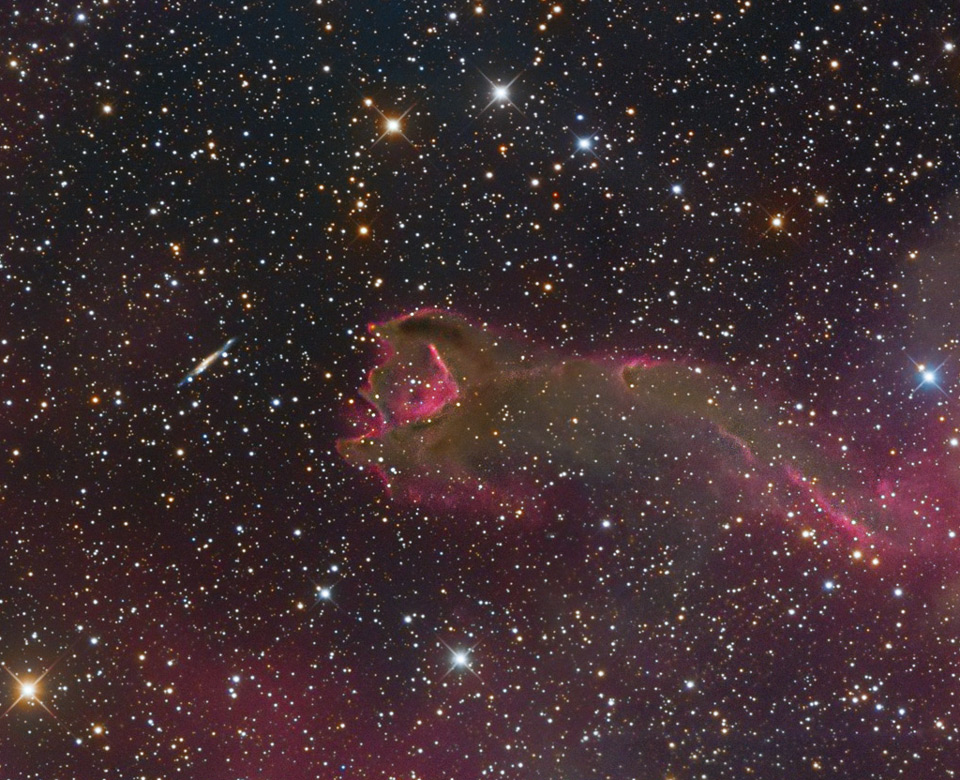
Monday, May 12, 2014
APOD 4.7
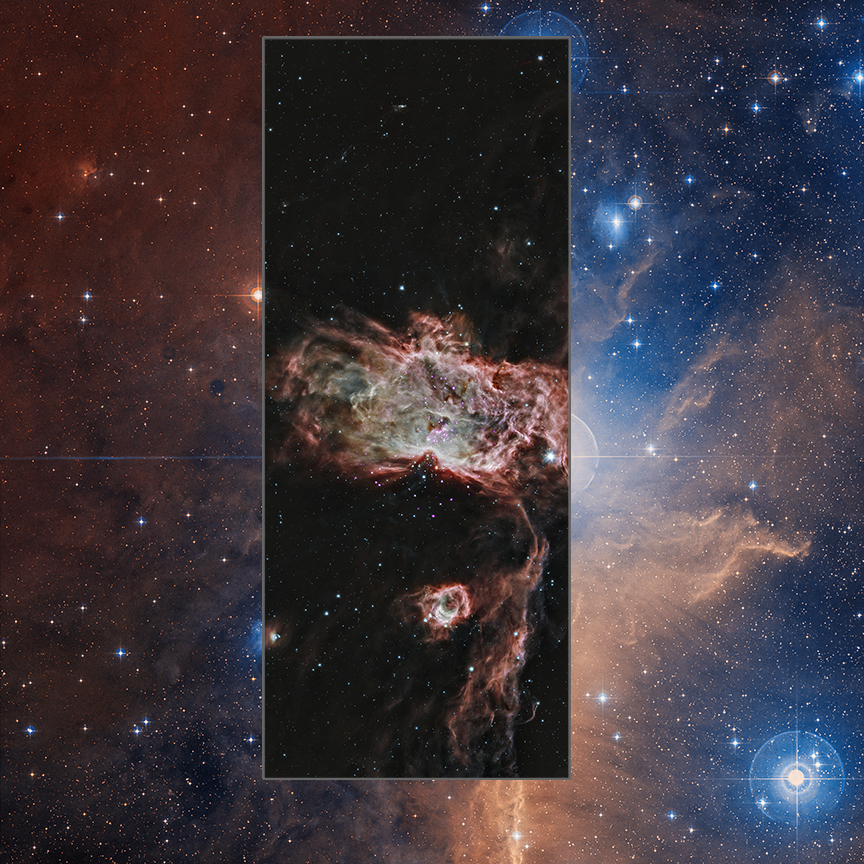
Monday, May 5, 2014

Thursday, May 1, 2014
APOD 4.6
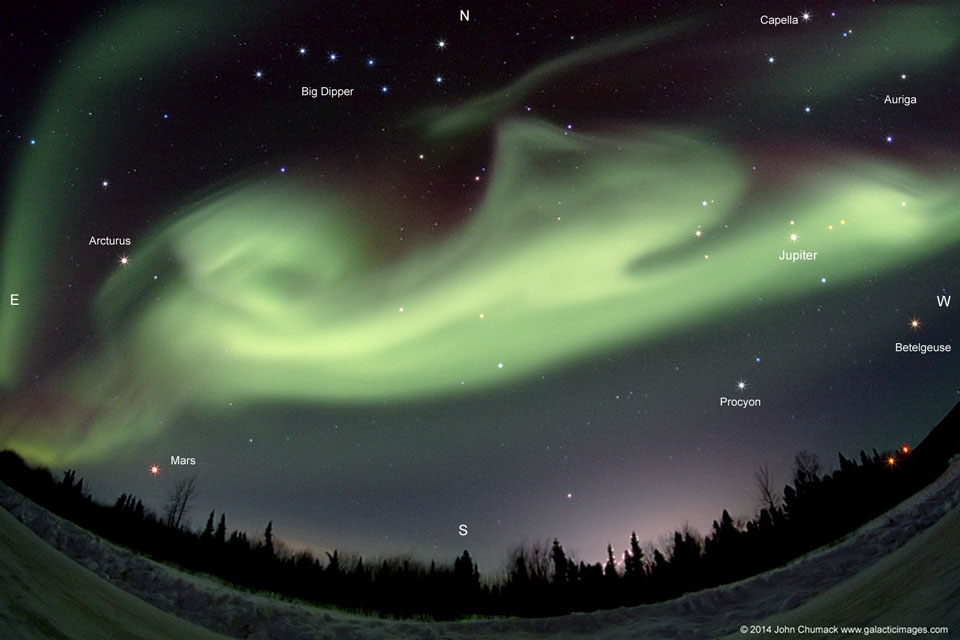
Wednesday, April 30, 2014
Stargaze 4/26/14
Date: 4/26/14
Location: PV Service Road
Time: 9:00 PM- 10:00 PM
Identified the ecliptic
Planets: Jupiter (in Gemini), Mars (14 arc seconds), Saturn
Constellations: Orion, Gemini, Leo, Leo Minor, Virgo, Canis Major, Canis Minor, Carina, Coma Bernices, Corvus
Telescope (small): Castor's Double Star
Telescope (large): M104 (Sombrero Galaxy), Gamma Leonis, M58 (Virgo)
Location: PV Service Road
Time: 9:00 PM- 10:00 PM
Identified the ecliptic
Planets: Jupiter (in Gemini), Mars (14 arc seconds), Saturn
Constellations: Orion, Gemini, Leo, Leo Minor, Virgo, Canis Major, Canis Minor, Carina, Coma Bernices, Corvus
Telescope (small): Castor's Double Star
Telescope (large): M104 (Sombrero Galaxy), Gamma Leonis, M58 (Virgo)
Gerard Kuiper Biography Sources
https://solarsystem.nasa.gov/people/profile.cfm?Code=KuiperG
http://www.encyclopedia.com/topic/Gerard_Peter_Kuiper.aspx#3-1E1:KuiperGer-full
http://www.britannica.com/EBchecked/topic/324484/Gerard-Peter-Kuiper
http://www.nasonline.org/publications/biographical-memoirs/memoir-pdfs/kuiper-gerard.pdf
http://www.encyclopedia.com/topic/Gerard_Peter_Kuiper.aspx#3-1E1:KuiperGer-full
http://www.britannica.com/EBchecked/topic/324484/Gerard-Peter-Kuiper
http://www.nasonline.org/publications/biographical-memoirs/memoir-pdfs/kuiper-gerard.pdf
Friday, April 25, 2014
APOD 4.5
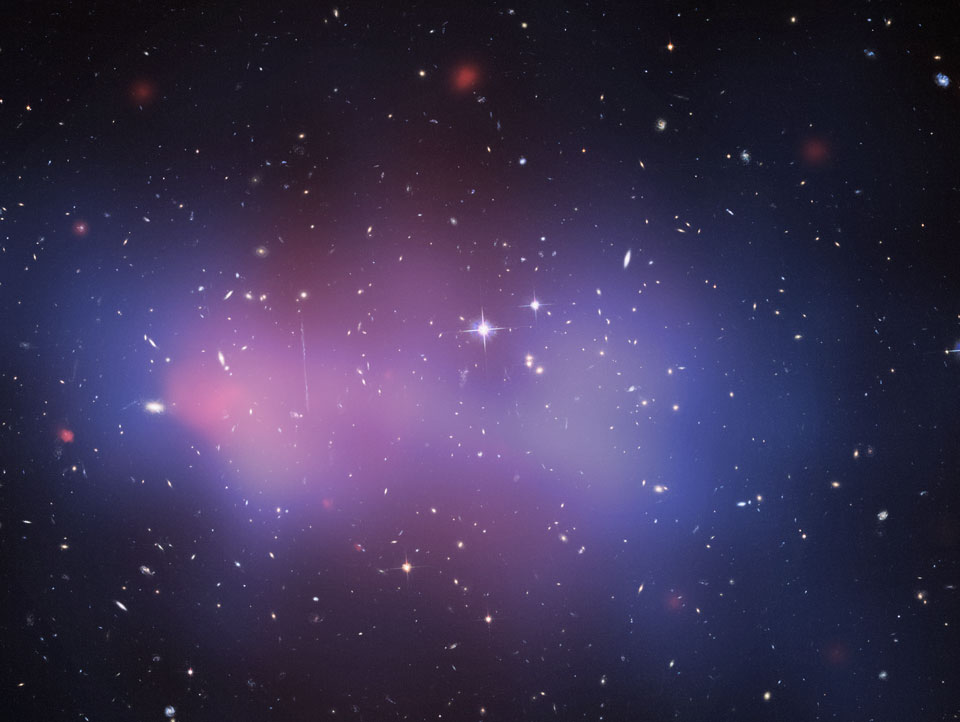
Thursday, April 24, 2014
Thursday, April 17, 2014
APOD 4.4

APOD 4.3
Tuesday, April 8, 2014

Contributors to the Nature and Structure of the Milky Way
Galileo - In using his telescope, he determined that the stars of the Universe were at different distances from the Earth. This disproved the theory that the Universe was similar to a glass bowl, which would have made the stars of equal distance. The stars are actually tightly packed together sporadically, rather than one nebulous universe.
William Herschel - Using a large telescope, he determined that Earth is located in the Milky Way amongst other fuzzy patches of stars and gas. He also determined, by observing other fuzzy patches (nebulae), that the shape of the Milky Way was a flat spiral disk. He provided the observational evidence to prove that there were other nebulae in our Universe.
Harlow Shapley - Used RR Lyrids to estimate the size of the Milky Way galaxy and the Sun's position. He participated in the Great Debate with Heber Curtis, his own position being that the Milky Way was the entire Universe with other spiral galaxies contained inside.
Edwin Hubble - Observed Cepheid variable stars and calculated their distance (the distance being to other nebulae) and determined that they were much too far away to be contained in the Milky Way. He also created a classification for for galactic types: elliptical, spirals and barred spirals, and irregulars. In deciding galactic types, Hubble thought that ellipticals eventually condensed to spirals.
Immanuel Kant - Published two major theories, which determined star and planet formation and galaxies. The "Nebular Hypothesis" theorized that planets and stars are formed from gas and dust clouds condensing because of gravity to create larger, denser objects. The second theory differentiated between nebulae and galaxies, suggesting that there were other galaxies than our own.
Henrietta Leavitt - Researched Cepheid Variables and determined that they had a longer periods, supporting her "Period-Luminosity Relationship" that was used to measure distances in the Universe.
Heber Curtis - As part of the Great Debate, his stance was that we have a small galaxy among several others in the whole universe.
William Herschel - Using a large telescope, he determined that Earth is located in the Milky Way amongst other fuzzy patches of stars and gas. He also determined, by observing other fuzzy patches (nebulae), that the shape of the Milky Way was a flat spiral disk. He provided the observational evidence to prove that there were other nebulae in our Universe.
Harlow Shapley - Used RR Lyrids to estimate the size of the Milky Way galaxy and the Sun's position. He participated in the Great Debate with Heber Curtis, his own position being that the Milky Way was the entire Universe with other spiral galaxies contained inside.
Edwin Hubble - Observed Cepheid variable stars and calculated their distance (the distance being to other nebulae) and determined that they were much too far away to be contained in the Milky Way. He also created a classification for for galactic types: elliptical, spirals and barred spirals, and irregulars. In deciding galactic types, Hubble thought that ellipticals eventually condensed to spirals.
Immanuel Kant - Published two major theories, which determined star and planet formation and galaxies. The "Nebular Hypothesis" theorized that planets and stars are formed from gas and dust clouds condensing because of gravity to create larger, denser objects. The second theory differentiated between nebulae and galaxies, suggesting that there were other galaxies than our own.
Henrietta Leavitt - Researched Cepheid Variables and determined that they had a longer periods, supporting her "Period-Luminosity Relationship" that was used to measure distances in the Universe.
Heber Curtis - As part of the Great Debate, his stance was that we have a small galaxy among several others in the whole universe.
Friday, April 4, 2014
APOD 4.2
Thursday, March 27, 2014
APOD 4.1
Friday, March 21, 2014
APOD 3.8
Friday, March 7, 2014
APOD 3.7

Wednesday, March 5, 2014
Quarter 3 Biography: Alvan G. Clark
Alvan Graham Clark, born on July 10, 1832 in Fall River Massachusetts, was an American astronomer and telescope-maker. His father, Alvan Clark Sr., was the founder of an optical firm called Alvan Clark and Sons. He created a 40-inch lens (the largest in today's world), which is currently housed at Yerkes Observatory. Alvan G. was the first to make an observation of Sirius B in Massachusetts, the magnitude 8 companion of Sirius and the first known white dwarf.
Alvan, when compared to his brother, George, was described as unusually attractive and intelligent. He had an incredible love of literature and a very retentive memory. His wife was Mary Mitchell Willard, who was a member of a Cambridge-Harvard family, which surely only enhanced his sociability. At age 16, he enterd a machine shop, learning the trade before joining the family firm.
Alvan G. had the opportunity to follow in his father's footsteps and learn the trade of lens making, which allowed him to create high-quality telescopes for his own scoping of the sky. In his early life, he worked on a contract with the University of South Carolina to create two glass disks in 42-inch diameters. Clark was soon discovered by a man named George Ellery Hale, who was interested in purchasing lenses for the Yerkes Observatory.
Alvan G. first noticed Sirius B while testing a new 18.5 inch refractor telescope on January 31, 1862. With Sirius being such a bright star (the brightest star in the night sky, and located in Canis Major) and Sirius B much less in comparison, the naked eye only perceives Sirius as a single star, when it is in fact a binary. This binary system consists of a spectral type A1V, Sirius A, and spectral type DA2, Sirius B. His accidental observation allowed astronomers to make more sense of their universe with a new type of star to study. The telescope he used to make this observation is now at the Dearborn Observatory of the Northwestern University in Evanston, Illinois.
Clark was awarded the Lalande Prize of the Paris Academie des Sciences for his discovery, an award given to someone demonstrating great feats in astronomical performance each year. He later joined the American Association fo rthe Advancement of Science in 1879 and was elected to fellowship. He became a resident fellow of the American Academy of Arts and Sciences in 1894 and was elected a member of the Societe Astronomique Dde France.
He died on June 9, 1897 at 64 years of age.
Alvan, when compared to his brother, George, was described as unusually attractive and intelligent. He had an incredible love of literature and a very retentive memory. His wife was Mary Mitchell Willard, who was a member of a Cambridge-Harvard family, which surely only enhanced his sociability. At age 16, he enterd a machine shop, learning the trade before joining the family firm.
Alvan G. had the opportunity to follow in his father's footsteps and learn the trade of lens making, which allowed him to create high-quality telescopes for his own scoping of the sky. In his early life, he worked on a contract with the University of South Carolina to create two glass disks in 42-inch diameters. Clark was soon discovered by a man named George Ellery Hale, who was interested in purchasing lenses for the Yerkes Observatory.
Alvan G. first noticed Sirius B while testing a new 18.5 inch refractor telescope on January 31, 1862. With Sirius being such a bright star (the brightest star in the night sky, and located in Canis Major) and Sirius B much less in comparison, the naked eye only perceives Sirius as a single star, when it is in fact a binary. This binary system consists of a spectral type A1V, Sirius A, and spectral type DA2, Sirius B. His accidental observation allowed astronomers to make more sense of their universe with a new type of star to study. The telescope he used to make this observation is now at the Dearborn Observatory of the Northwestern University in Evanston, Illinois.
Clark was awarded the Lalande Prize of the Paris Academie des Sciences for his discovery, an award given to someone demonstrating great feats in astronomical performance each year. He later joined the American Association fo rthe Advancement of Science in 1879 and was elected to fellowship. He became a resident fellow of the American Academy of Arts and Sciences in 1894 and was elected a member of the Societe Astronomique Dde France.
He died on June 9, 1897 at 64 years of age.
Wednesday, February 26, 2014
Biography Sources
http://www.astrosurf.com/re/alvan_clark.pdf
http://www.nndb.com/people/702/000167201/
Deborah Jean Warner. Alvan Clark & Sons: Artists in Optics. Museum of History and Technology Smithsonian Institution. Smithsonian Institution Press. Washington, D.C. 1968. Print.
http://www.nndb.com/people/702/000167201/
Deborah Jean Warner. Alvan Clark & Sons: Artists in Optics. Museum of History and Technology Smithsonian Institution. Smithsonian Institution Press. Washington, D.C. 1968. Print.
Friday, February 21, 2014
APOD 3.6

Stargaze Observations (February 16, 2014)
Location: PV Service Road
Time: 7:00 PM - 8:30 PM
Constellations Noted: Auriga, Perseus, Cassiopeia, Ursa Major, Gemini, Canis Minor, Canis Major, Taurus, Orion, Lepus, Columba, Monoceros, Eridanus, Fornax, Aries, Cancer
M Objects (seen through telescopes): M41 in Canis Major, M 42 in Orion
Other (seen through telescopes): double star color differentiation, the "5th" star of the trapezium
Time: 7:00 PM - 8:30 PM
Constellations Noted: Auriga, Perseus, Cassiopeia, Ursa Major, Gemini, Canis Minor, Canis Major, Taurus, Orion, Lepus, Columba, Monoceros, Eridanus, Fornax, Aries, Cancer
M Objects (seen through telescopes): M41 in Canis Major, M 42 in Orion
Other (seen through telescopes): double star color differentiation, the "5th" star of the trapezium
Friday, February 14, 2014
APOD 3.5
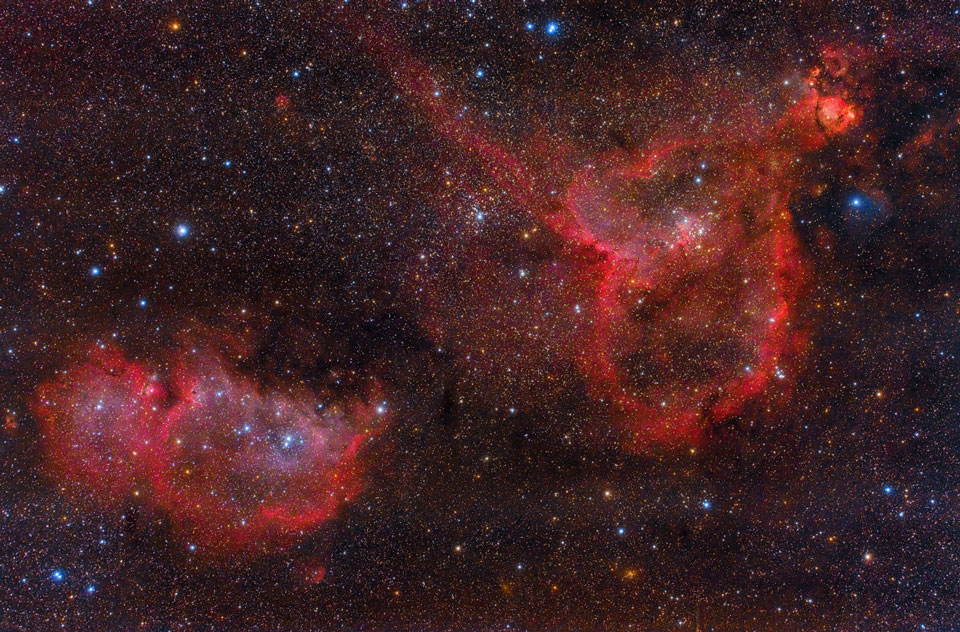
Monday, February 10, 2014
Observations
February 10
This weekend, I went to Siesta Key beach at sunset and noted Andromeda, Pegasus, and Cassiopeia. Additionally, I saw Orion, Auriga, and Taurus. On Sunday at Disney, I saw Orion perfectly over the castle and noted the brightness of the stars on Big Thunder Mountain, which was surprising given Disney is pretty light-polluted.
This weekend, I went to Siesta Key beach at sunset and noted Andromeda, Pegasus, and Cassiopeia. Additionally, I saw Orion, Auriga, and Taurus. On Sunday at Disney, I saw Orion perfectly over the castle and noted the brightness of the stars on Big Thunder Mountain, which was surprising given Disney is pretty light-polluted.
Observations
January 31
Over the past week, I have watch the moon return to the new phase. I have seen Orion in the East portion of the sky, as well as Gemini and Taurus. I've noted Sirius, even though we have not formally learned it. I watched Venus in the between the East and the South in the dawn.
Over the past week, I have watch the moon return to the new phase. I have seen Orion in the East portion of the sky, as well as Gemini and Taurus. I've noted Sirius, even though we have not formally learned it. I watched Venus in the between the East and the South in the dawn.
Friday, February 7, 2014
APOD 3.4
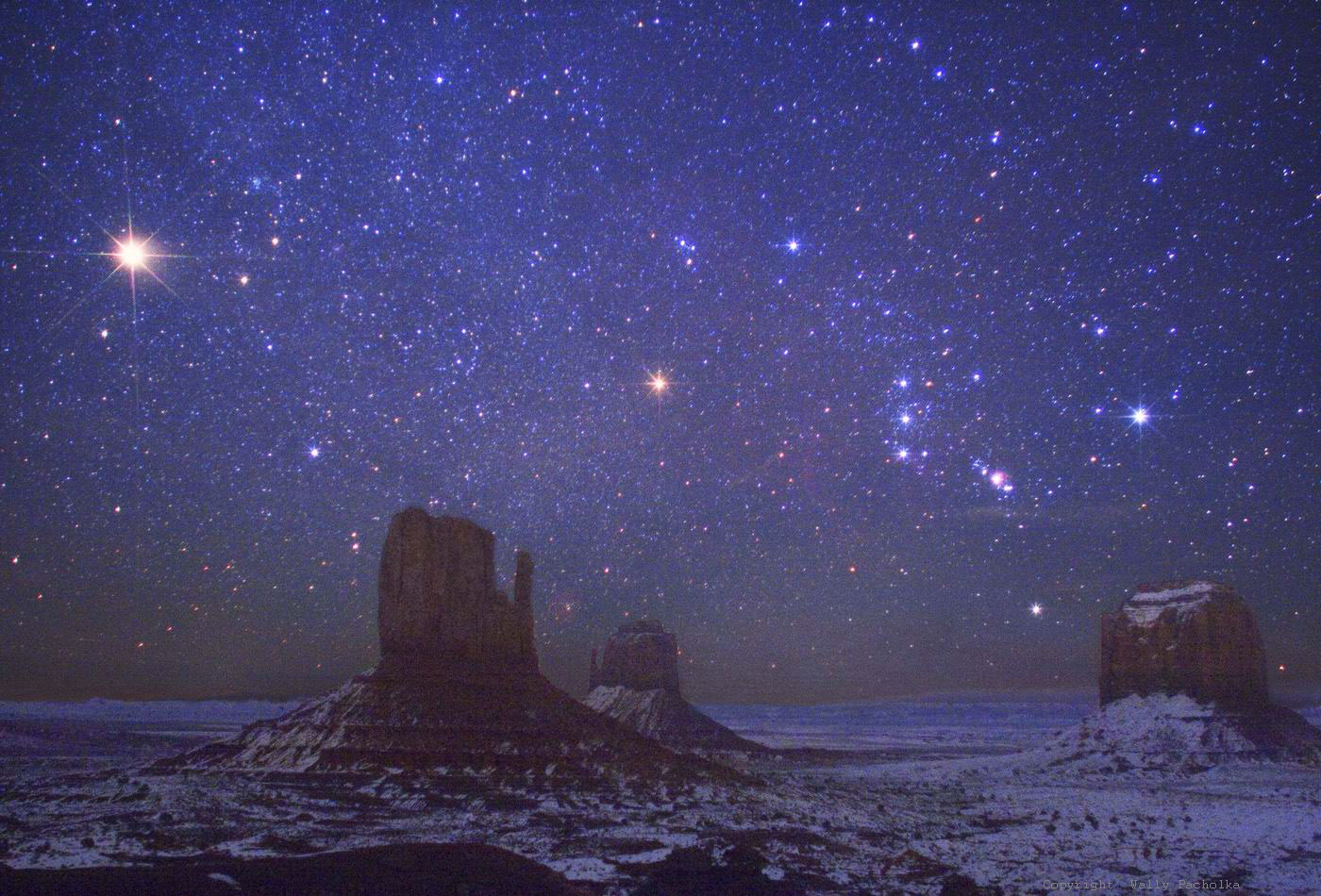
Thursday, January 30, 2014
APOD 3.3
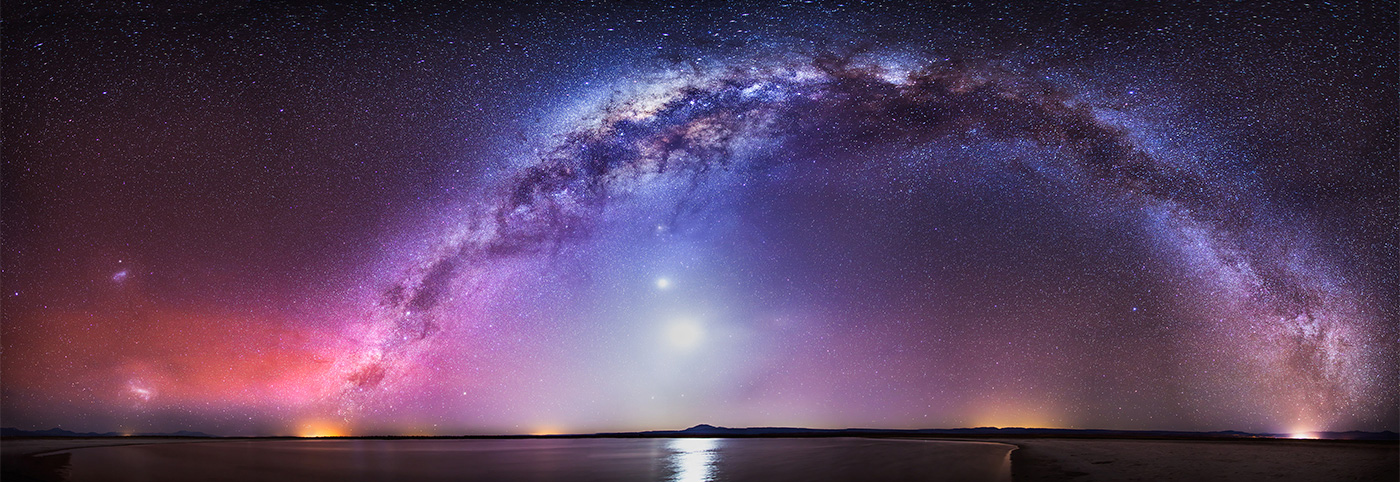
Friday, January 24, 2014
APOD 3.2
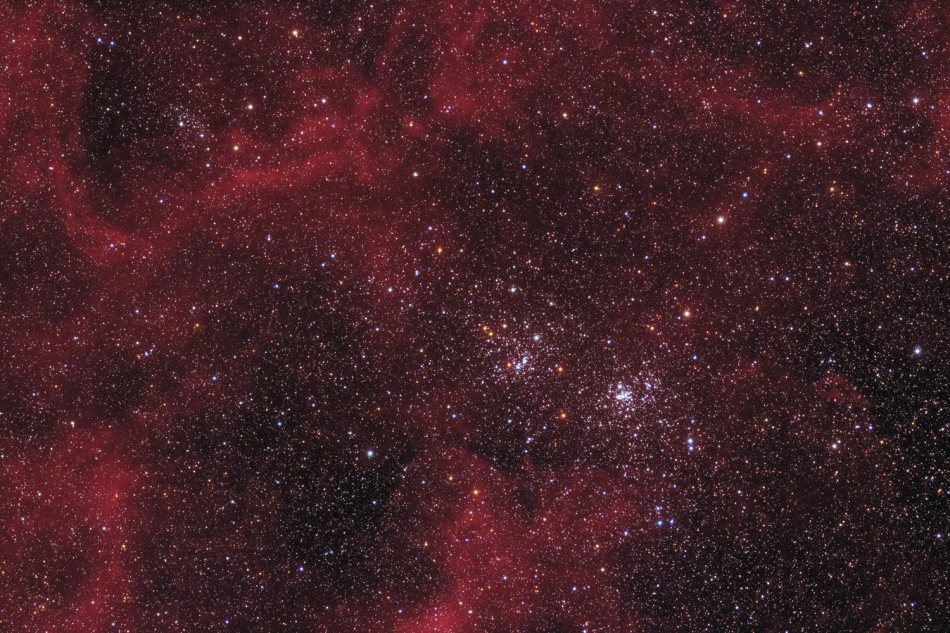
Friday, January 17, 2014
APOD 3.1
Friday, January 10, 2014
More Observations
Date: December 14, 2013
Time: 7:00 - 9:00 PM
Location: Colonial Oaks Park
Sky Conditions: Moon at waxing gibbous phase, passing clouds
Instuments used: phone application
Planets: Venus was out but not viewable over the trees in the park, Jupiter to the east
Bright Stars Noted: Aldebaren, Betelgeuse, Rigel, Castor, Sirius
Constellations Noted: Taurus, Orion, Gemini, Canis Major
Other: The moon was in the constellation Taurus
Time: 7:00 - 9:00 PM
Location: Colonial Oaks Park
Sky Conditions: Moon at waxing gibbous phase, passing clouds
Instuments used: phone application
Planets: Venus was out but not viewable over the trees in the park, Jupiter to the east
Bright Stars Noted: Aldebaren, Betelgeuse, Rigel, Castor, Sirius
Constellations Noted: Taurus, Orion, Gemini, Canis Major
Other: The moon was in the constellation Taurus
Observations
Date: December 2, 2013
Time: 6:00 - 8:00 PM
Place: Siesta Key Beach
Sky Conditions: Sunset, waning cresent moon, clear skies
Instuments used: Phone application
Planets: Venus (viewed closely to the moon), Jupiter in the east
Bright Stars Noted: Gamma andromeda, Mira
Constellations Noted: Gemini, Orion (and belt), Cassiopeia, Pegasus, Andromeda, Cetus
Other: observed the stars that appeared as the sun set
Time: 6:00 - 8:00 PM
Place: Siesta Key Beach
Sky Conditions: Sunset, waning cresent moon, clear skies
Instuments used: Phone application
Planets: Venus (viewed closely to the moon), Jupiter in the east
Bright Stars Noted: Gamma andromeda, Mira
Constellations Noted: Gemini, Orion (and belt), Cassiopeia, Pegasus, Andromeda, Cetus
Other: observed the stars that appeared as the sun set
Thursday, January 9, 2014
Giuseppe Piazza
Giuseppe Piazza was an astronomer from Italy known as both a mathematician and as priest and for founding the Palermo Astronomical Observatory (PlanetFacts). He was also known for naming the first minor planet, Ceres (Britannica). He was born July 16, 1746 in Ponte di Valtellina, Lombardy, Italy (Britannica). In his younger years, he joined the Theatine Order of Milan, a Catholic religious order of men (Encyclopedia). Piazza moved to Andrea Del Valle, Rome and learned from Giovan Battista Beccaria, an Italian physicist (PlanetFacts). When he finished his schooling, he graduated with a doctorate in mathematics and philosophy (Encyclopedia). In 1770, he became Chairman of Mathematics at the University of Malta for two years, after which he decided to move to Ravenna to teach at the "Collegio Dei Nobili" (PlanetFacts). In 1780, he moved to Palermo to teach at the Univeristy of Palermo, where he also became a professor of Astronomy as per summon of the Prince of Caramancio, Bourbon, the viceroy of Sicily. This prince wanted to have an astronomical observatory in Palermo, Piazza was encouraged to go to England to gain the best tools he could. While in England, he met Maskelyne, with whom he observed the solar eclipse of June 3, 1788 at Greenwich, William Herschel, with whom he observed Herschel's large telescopes, and Ramsden. His first work in astronomy was studying the precise difference in longitude between various observatories. His most notable work while in England, though, was the greate 5 foot vertical circle that he commissioned from Ramsden, which wsa then installed in the new observatory at Santa Ninfa tower of the royal palace in Palermo in 1789. This observatory opened in 1790 and Piazza was named director. Upon returning to Palermo, he began studying the precise determination of astronomical coordinates of principal stars. The location of the observatory was the southernmost European observatory with favorable climate that allowed him to observe more stars than had been catalogued before, with much accuracy (Encyclopedia).
The first night of 1801, he planned to observe a 7th magnitude star in Taurus that was once catalogued by Lacaille. But instead of seeing the star, he noticed a fainter object that was not catalogued for the first time on (Bond). He thought it was either a planet or comet, and continued to observe the object until February 11th, where the object stopped retrograde motion and began moving towards the sun until it could not be seen. Piazzi easily calculated the orbit of the object in order to find it again. He continued observations for forty one days and published his results in 1801, and named it Ceres, after the patron goddess of Sicily, after recognizing that it was actually a planet.
In March 1817, Piazzi was summoned to Naples to complete the observatory in construction under King Ferdinand I. He died in Naples of an acute disease in 1824 (Encyclopedia).
The first night of 1801, he planned to observe a 7th magnitude star in Taurus that was once catalogued by Lacaille. But instead of seeing the star, he noticed a fainter object that was not catalogued for the first time on (Bond). He thought it was either a planet or comet, and continued to observe the object until February 11th, where the object stopped retrograde motion and began moving towards the sun until it could not be seen. Piazzi easily calculated the orbit of the object in order to find it again. He continued observations for forty one days and published his results in 1801, and named it Ceres, after the patron goddess of Sicily, after recognizing that it was actually a planet.
In March 1817, Piazzi was summoned to Naples to complete the observatory in construction under King Ferdinand I. He died in Naples of an acute disease in 1824 (Encyclopedia).
Astronomer Biography Sources
Bond, Peter. Distant Worlds: Milestones in Planetary Exploration. New York, NY: Praxis, 2007. Print.
"Giuseppe Piazzi (Italian Astronomer)." Encyclopedia Britannica Online. Encyclopedia Britannica, n.d. Web. 27 Dec. 2013. <http://www.britannica.com/EBchecked/topic/459224/Giuseppe-Piazzi>.
"Piazzi, Giuseppe." Complete Dictionary of Scientific Biography. 2008. Encyclopedia.com. 27 Dec. 2013. <http://www.encyclopedia.com>.
"Who is Giuseppe Piazzi? Life, Biography & Discoveries of Giuseppe Piazzi." Who is Giuseppe Piazzi? Life, Biography & Discoveries of Giuseppe Piazzi. Web. 27 Dec. 2013. <http://planetfacts.org/giuseppe-piazzi/>.
"Giuseppe Piazzi (Italian Astronomer)." Encyclopedia Britannica Online. Encyclopedia Britannica, n.d. Web. 27 Dec. 2013. <http://www.britannica.com/EBchecked/topic/459224/Giuseppe-Piazzi>.
"Piazzi, Giuseppe." Complete Dictionary of Scientific Biography. 2008. Encyclopedia.com. 27 Dec. 2013. <http://www.encyclopedia.com>.
"Who is Giuseppe Piazzi? Life, Biography & Discoveries of Giuseppe Piazzi." Who is Giuseppe Piazzi? Life, Biography & Discoveries of Giuseppe Piazzi. Web. 27 Dec. 2013. <http://planetfacts.org/giuseppe-piazzi/>.
APOD #7
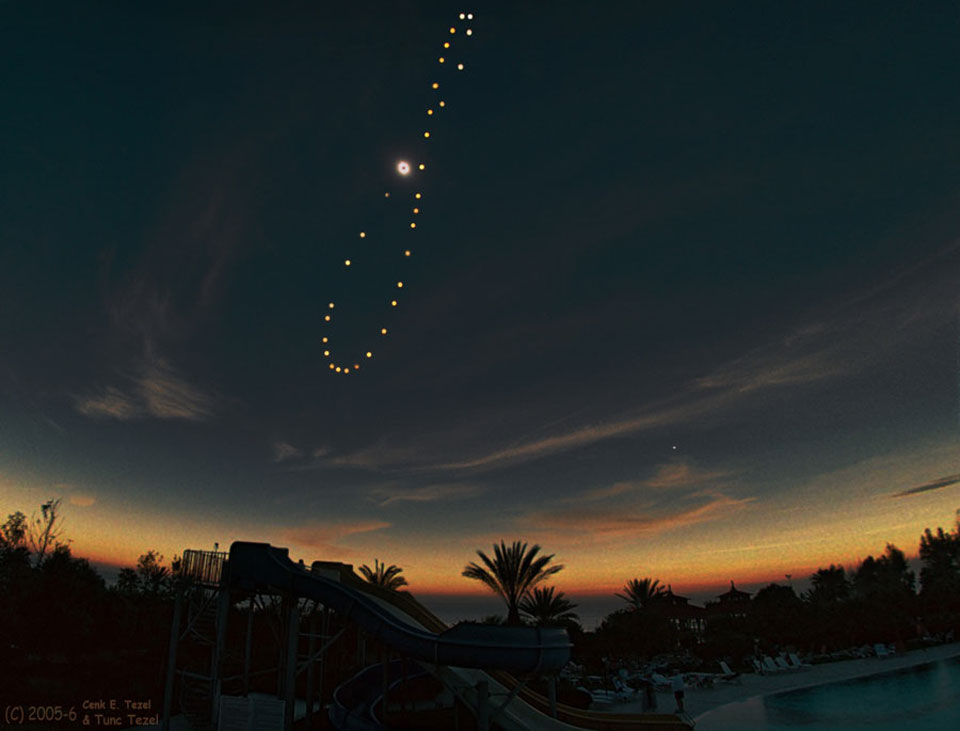
This figure-8 movement gives us clues about how the earth moves incomparison with the Earth's movement. While the Earth moves in an ellipse about the sun, the sun appears to create an analemma to viewers on Earth.
APOD #6

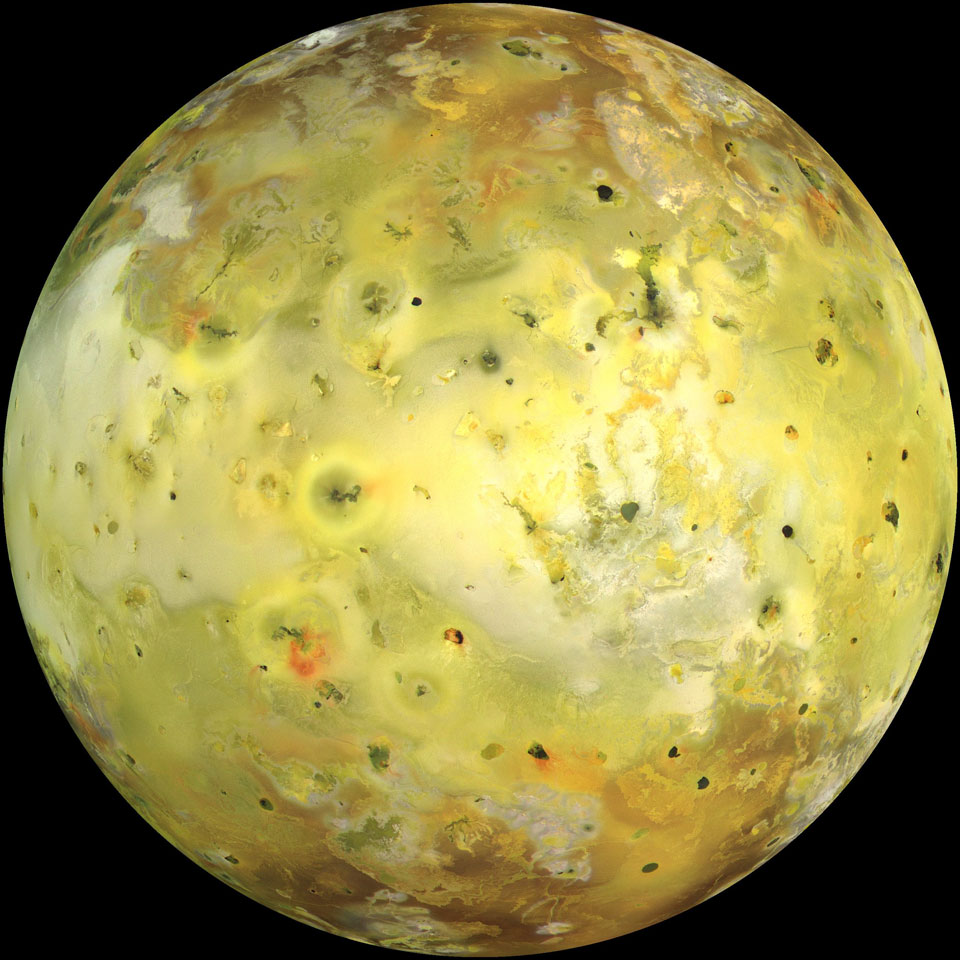
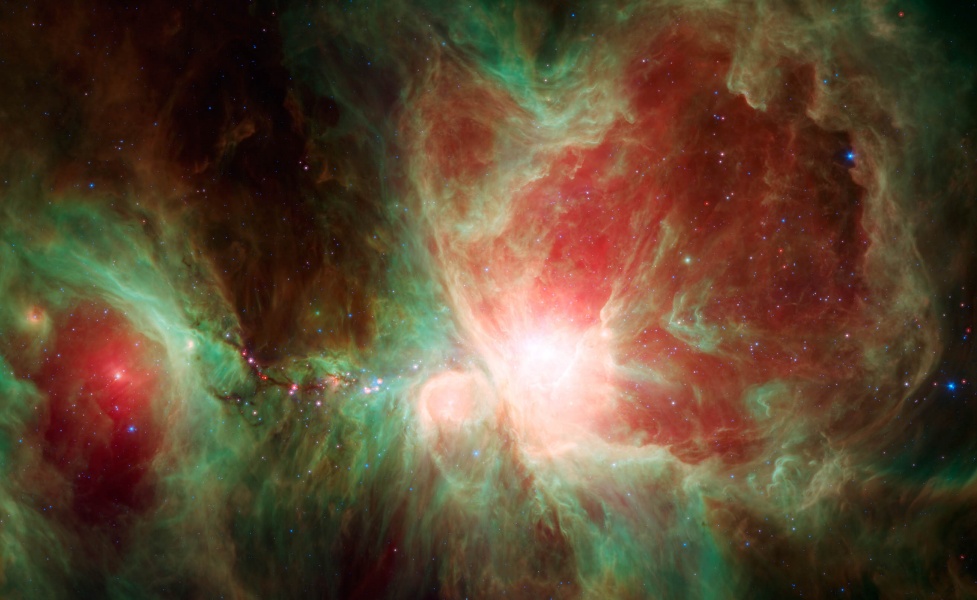
This method of false color imaging could help to determine the composition of other moons and distant planets without having to send probes into space.
Subscribe to:
Posts (Atom)