Date: 4/26/14
Location: PV Service Road
Time: 9:00 PM- 10:00 PM
Identified the ecliptic
Planets: Jupiter (in Gemini), Mars (14 arc seconds), Saturn
Constellations: Orion, Gemini, Leo, Leo Minor, Virgo, Canis Major, Canis Minor, Carina, Coma Bernices, Corvus
Telescope (small): Castor's Double Star
Telescope (large): M104 (Sombrero Galaxy), Gamma Leonis, M58 (Virgo)
Wednesday, April 30, 2014

Gerard Kuiper Biography Sources
https://solarsystem.nasa.gov/people/profile.cfm?Code=KuiperG
http://www.encyclopedia.com/topic/Gerard_Peter_Kuiper.aspx#3-1E1:KuiperGer-full
http://www.britannica.com/EBchecked/topic/324484/Gerard-Peter-Kuiper
http://www.nasonline.org/publications/biographical-memoirs/memoir-pdfs/kuiper-gerard.pdf
http://www.encyclopedia.com/topic/Gerard_Peter_Kuiper.aspx#3-1E1:KuiperGer-full
http://www.britannica.com/EBchecked/topic/324484/Gerard-Peter-Kuiper
http://www.nasonline.org/publications/biographical-memoirs/memoir-pdfs/kuiper-gerard.pdf
Friday, April 25, 2014
APOD 4.5
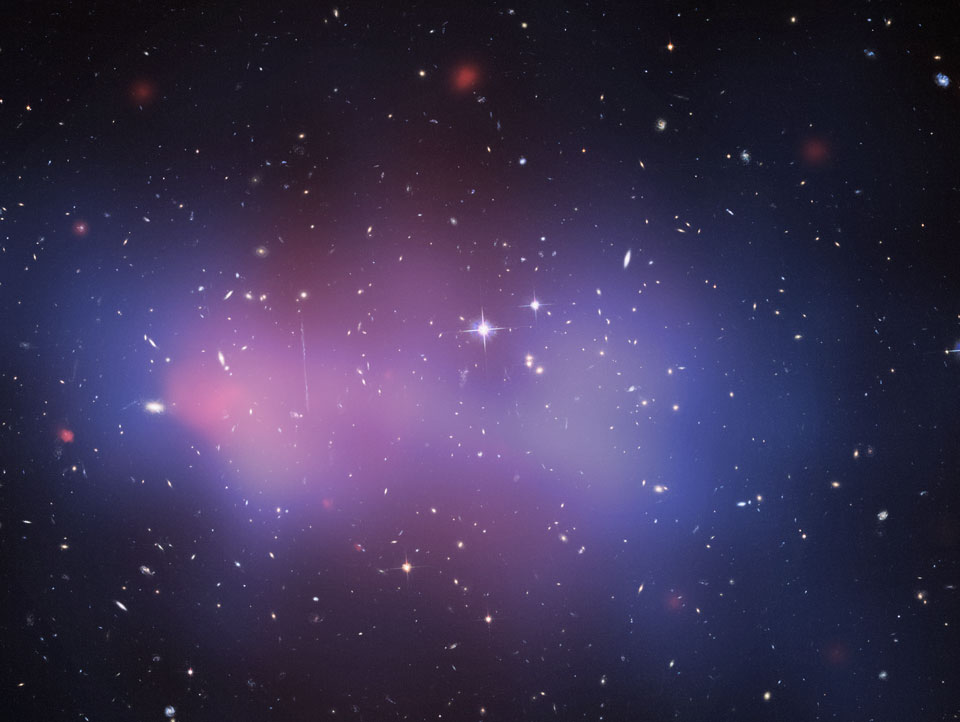
Thursday, April 24, 2014
Thursday, April 17, 2014
APOD 4.4

APOD 4.3
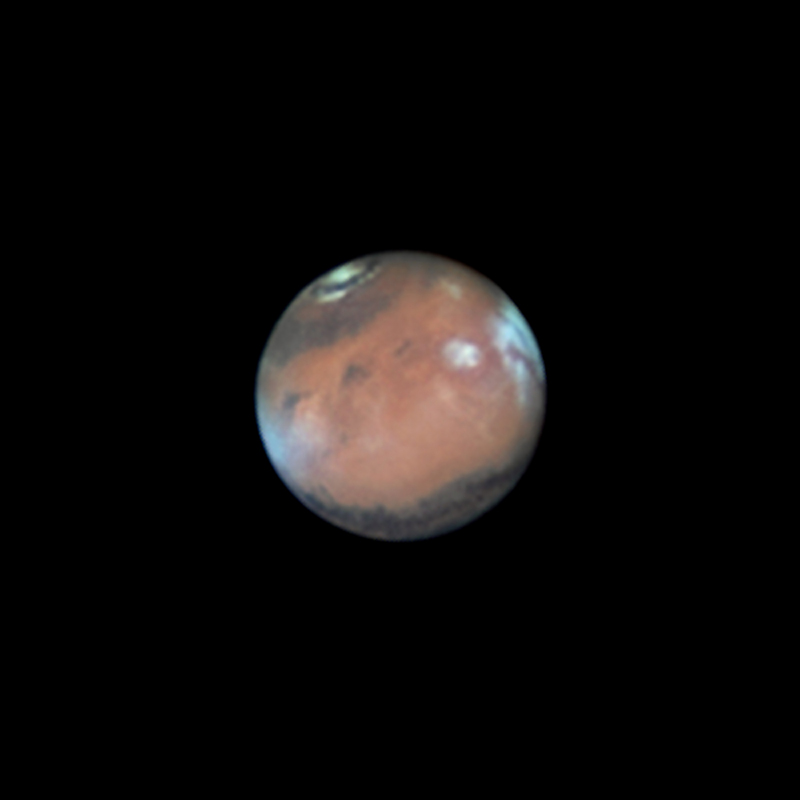
Tuesday, April 8, 2014

Contributors to the Nature and Structure of the Milky Way
Galileo - In using his telescope, he determined that the stars of the Universe were at different distances from the Earth. This disproved the theory that the Universe was similar to a glass bowl, which would have made the stars of equal distance. The stars are actually tightly packed together sporadically, rather than one nebulous universe.
William Herschel - Using a large telescope, he determined that Earth is located in the Milky Way amongst other fuzzy patches of stars and gas. He also determined, by observing other fuzzy patches (nebulae), that the shape of the Milky Way was a flat spiral disk. He provided the observational evidence to prove that there were other nebulae in our Universe.
Harlow Shapley - Used RR Lyrids to estimate the size of the Milky Way galaxy and the Sun's position. He participated in the Great Debate with Heber Curtis, his own position being that the Milky Way was the entire Universe with other spiral galaxies contained inside.
Edwin Hubble - Observed Cepheid variable stars and calculated their distance (the distance being to other nebulae) and determined that they were much too far away to be contained in the Milky Way. He also created a classification for for galactic types: elliptical, spirals and barred spirals, and irregulars. In deciding galactic types, Hubble thought that ellipticals eventually condensed to spirals.
Immanuel Kant - Published two major theories, which determined star and planet formation and galaxies. The "Nebular Hypothesis" theorized that planets and stars are formed from gas and dust clouds condensing because of gravity to create larger, denser objects. The second theory differentiated between nebulae and galaxies, suggesting that there were other galaxies than our own.
Henrietta Leavitt - Researched Cepheid Variables and determined that they had a longer periods, supporting her "Period-Luminosity Relationship" that was used to measure distances in the Universe.
Heber Curtis - As part of the Great Debate, his stance was that we have a small galaxy among several others in the whole universe.
William Herschel - Using a large telescope, he determined that Earth is located in the Milky Way amongst other fuzzy patches of stars and gas. He also determined, by observing other fuzzy patches (nebulae), that the shape of the Milky Way was a flat spiral disk. He provided the observational evidence to prove that there were other nebulae in our Universe.
Harlow Shapley - Used RR Lyrids to estimate the size of the Milky Way galaxy and the Sun's position. He participated in the Great Debate with Heber Curtis, his own position being that the Milky Way was the entire Universe with other spiral galaxies contained inside.
Edwin Hubble - Observed Cepheid variable stars and calculated their distance (the distance being to other nebulae) and determined that they were much too far away to be contained in the Milky Way. He also created a classification for for galactic types: elliptical, spirals and barred spirals, and irregulars. In deciding galactic types, Hubble thought that ellipticals eventually condensed to spirals.
Immanuel Kant - Published two major theories, which determined star and planet formation and galaxies. The "Nebular Hypothesis" theorized that planets and stars are formed from gas and dust clouds condensing because of gravity to create larger, denser objects. The second theory differentiated between nebulae and galaxies, suggesting that there were other galaxies than our own.
Henrietta Leavitt - Researched Cepheid Variables and determined that they had a longer periods, supporting her "Period-Luminosity Relationship" that was used to measure distances in the Universe.
Heber Curtis - As part of the Great Debate, his stance was that we have a small galaxy among several others in the whole universe.
Friday, April 4, 2014
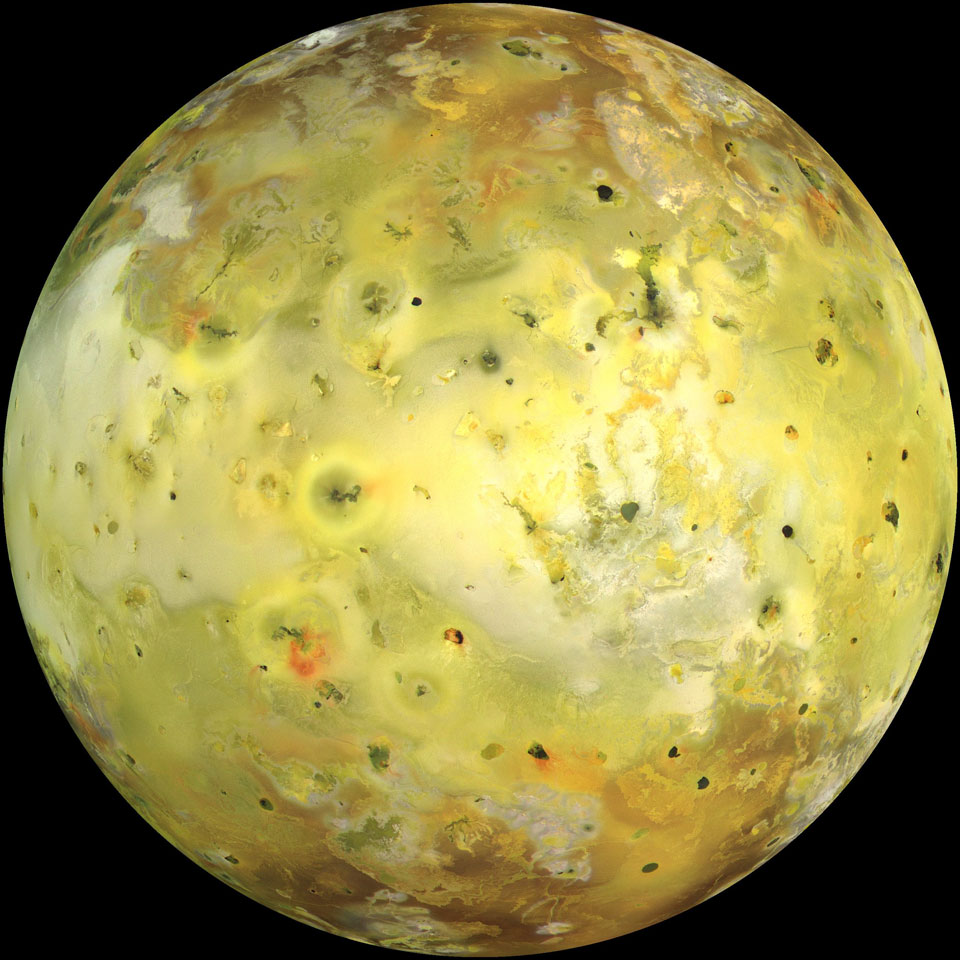
APOD 4.2
Subscribe to:
Posts (Atom)