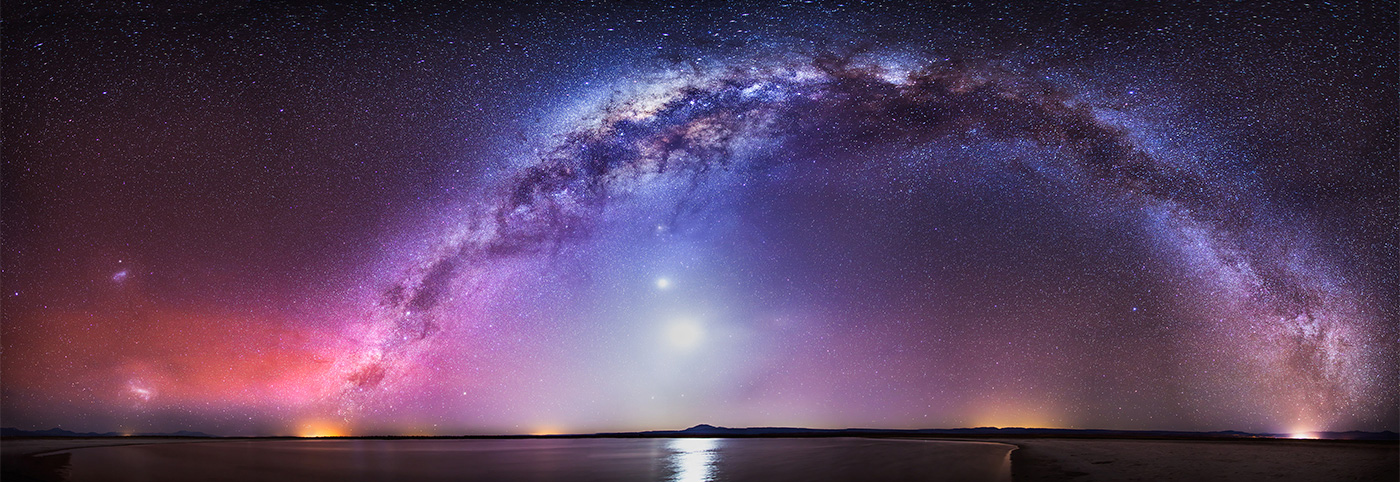
Thursday, January 30, 2014
APOD 3.3

Friday, January 24, 2014
APOD 3.2
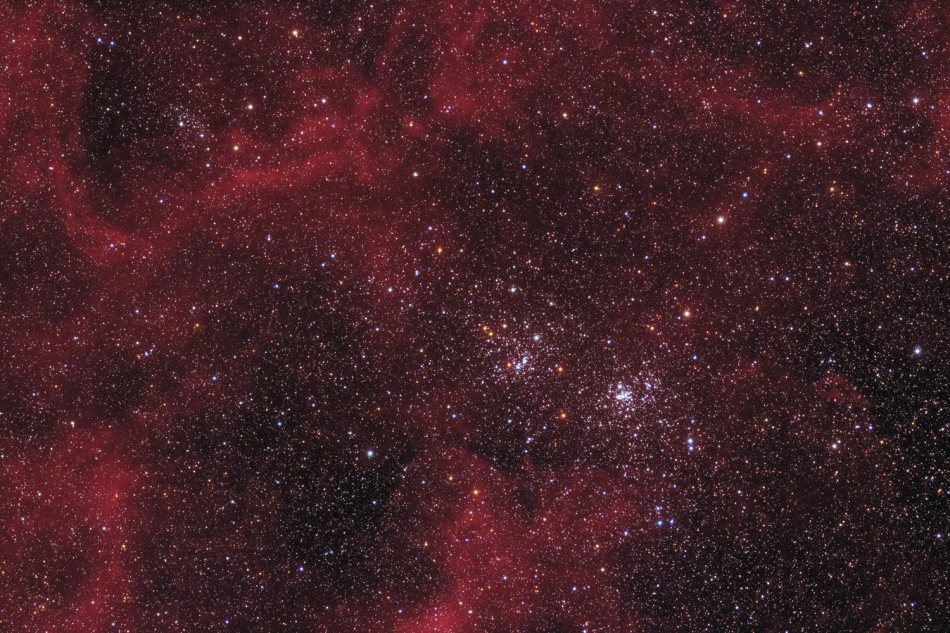
Friday, January 17, 2014
APOD 3.1
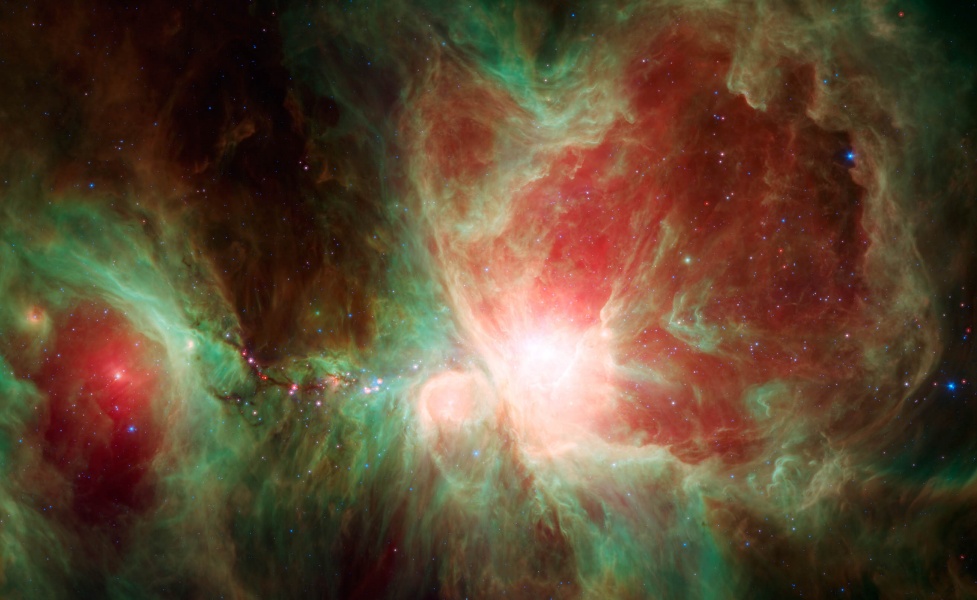
Friday, January 10, 2014
More Observations
Date: December 14, 2013
Time: 7:00 - 9:00 PM
Location: Colonial Oaks Park
Sky Conditions: Moon at waxing gibbous phase, passing clouds
Instuments used: phone application
Planets: Venus was out but not viewable over the trees in the park, Jupiter to the east
Bright Stars Noted: Aldebaren, Betelgeuse, Rigel, Castor, Sirius
Constellations Noted: Taurus, Orion, Gemini, Canis Major
Other: The moon was in the constellation Taurus
Time: 7:00 - 9:00 PM
Location: Colonial Oaks Park
Sky Conditions: Moon at waxing gibbous phase, passing clouds
Instuments used: phone application
Planets: Venus was out but not viewable over the trees in the park, Jupiter to the east
Bright Stars Noted: Aldebaren, Betelgeuse, Rigel, Castor, Sirius
Constellations Noted: Taurus, Orion, Gemini, Canis Major
Other: The moon was in the constellation Taurus
Observations
Date: December 2, 2013
Time: 6:00 - 8:00 PM
Place: Siesta Key Beach
Sky Conditions: Sunset, waning cresent moon, clear skies
Instuments used: Phone application
Planets: Venus (viewed closely to the moon), Jupiter in the east
Bright Stars Noted: Gamma andromeda, Mira
Constellations Noted: Gemini, Orion (and belt), Cassiopeia, Pegasus, Andromeda, Cetus
Other: observed the stars that appeared as the sun set
Time: 6:00 - 8:00 PM
Place: Siesta Key Beach
Sky Conditions: Sunset, waning cresent moon, clear skies
Instuments used: Phone application
Planets: Venus (viewed closely to the moon), Jupiter in the east
Bright Stars Noted: Gamma andromeda, Mira
Constellations Noted: Gemini, Orion (and belt), Cassiopeia, Pegasus, Andromeda, Cetus
Other: observed the stars that appeared as the sun set
Thursday, January 9, 2014
Giuseppe Piazza
Giuseppe Piazza was an astronomer from Italy known as both a mathematician and as priest and for founding the Palermo Astronomical Observatory (PlanetFacts). He was also known for naming the first minor planet, Ceres (Britannica). He was born July 16, 1746 in Ponte di Valtellina, Lombardy, Italy (Britannica). In his younger years, he joined the Theatine Order of Milan, a Catholic religious order of men (Encyclopedia). Piazza moved to Andrea Del Valle, Rome and learned from Giovan Battista Beccaria, an Italian physicist (PlanetFacts). When he finished his schooling, he graduated with a doctorate in mathematics and philosophy (Encyclopedia). In 1770, he became Chairman of Mathematics at the University of Malta for two years, after which he decided to move to Ravenna to teach at the "Collegio Dei Nobili" (PlanetFacts). In 1780, he moved to Palermo to teach at the Univeristy of Palermo, where he also became a professor of Astronomy as per summon of the Prince of Caramancio, Bourbon, the viceroy of Sicily. This prince wanted to have an astronomical observatory in Palermo, Piazza was encouraged to go to England to gain the best tools he could. While in England, he met Maskelyne, with whom he observed the solar eclipse of June 3, 1788 at Greenwich, William Herschel, with whom he observed Herschel's large telescopes, and Ramsden. His first work in astronomy was studying the precise difference in longitude between various observatories. His most notable work while in England, though, was the greate 5 foot vertical circle that he commissioned from Ramsden, which wsa then installed in the new observatory at Santa Ninfa tower of the royal palace in Palermo in 1789. This observatory opened in 1790 and Piazza was named director. Upon returning to Palermo, he began studying the precise determination of astronomical coordinates of principal stars. The location of the observatory was the southernmost European observatory with favorable climate that allowed him to observe more stars than had been catalogued before, with much accuracy (Encyclopedia).
The first night of 1801, he planned to observe a 7th magnitude star in Taurus that was once catalogued by Lacaille. But instead of seeing the star, he noticed a fainter object that was not catalogued for the first time on (Bond). He thought it was either a planet or comet, and continued to observe the object until February 11th, where the object stopped retrograde motion and began moving towards the sun until it could not be seen. Piazzi easily calculated the orbit of the object in order to find it again. He continued observations for forty one days and published his results in 1801, and named it Ceres, after the patron goddess of Sicily, after recognizing that it was actually a planet.
In March 1817, Piazzi was summoned to Naples to complete the observatory in construction under King Ferdinand I. He died in Naples of an acute disease in 1824 (Encyclopedia).
The first night of 1801, he planned to observe a 7th magnitude star in Taurus that was once catalogued by Lacaille. But instead of seeing the star, he noticed a fainter object that was not catalogued for the first time on (Bond). He thought it was either a planet or comet, and continued to observe the object until February 11th, where the object stopped retrograde motion and began moving towards the sun until it could not be seen. Piazzi easily calculated the orbit of the object in order to find it again. He continued observations for forty one days and published his results in 1801, and named it Ceres, after the patron goddess of Sicily, after recognizing that it was actually a planet.
In March 1817, Piazzi was summoned to Naples to complete the observatory in construction under King Ferdinand I. He died in Naples of an acute disease in 1824 (Encyclopedia).
Astronomer Biography Sources
Bond, Peter. Distant Worlds: Milestones in Planetary Exploration. New York, NY: Praxis, 2007. Print.
"Giuseppe Piazzi (Italian Astronomer)." Encyclopedia Britannica Online. Encyclopedia Britannica, n.d. Web. 27 Dec. 2013. <http://www.britannica.com/EBchecked/topic/459224/Giuseppe-Piazzi>.
"Piazzi, Giuseppe." Complete Dictionary of Scientific Biography. 2008. Encyclopedia.com. 27 Dec. 2013. <http://www.encyclopedia.com>.
"Who is Giuseppe Piazzi? Life, Biography & Discoveries of Giuseppe Piazzi." Who is Giuseppe Piazzi? Life, Biography & Discoveries of Giuseppe Piazzi. Web. 27 Dec. 2013. <http://planetfacts.org/giuseppe-piazzi/>.
"Giuseppe Piazzi (Italian Astronomer)." Encyclopedia Britannica Online. Encyclopedia Britannica, n.d. Web. 27 Dec. 2013. <http://www.britannica.com/EBchecked/topic/459224/Giuseppe-Piazzi>.
"Piazzi, Giuseppe." Complete Dictionary of Scientific Biography. 2008. Encyclopedia.com. 27 Dec. 2013. <http://www.encyclopedia.com>.
"Who is Giuseppe Piazzi? Life, Biography & Discoveries of Giuseppe Piazzi." Who is Giuseppe Piazzi? Life, Biography & Discoveries of Giuseppe Piazzi. Web. 27 Dec. 2013. <http://planetfacts.org/giuseppe-piazzi/>.
APOD #7
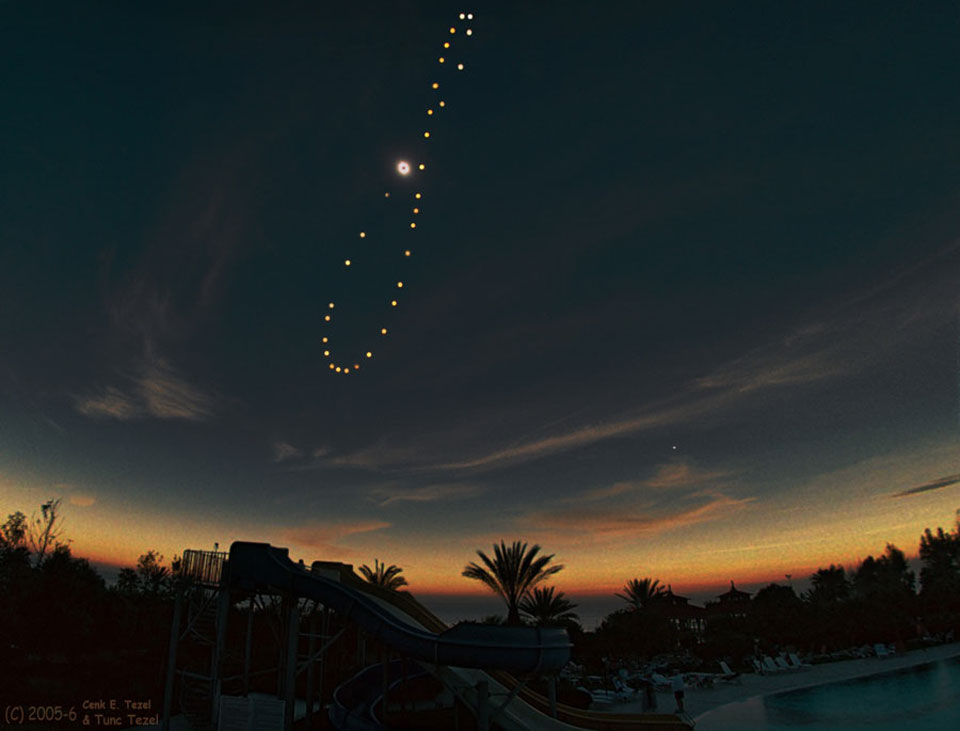
This figure-8 movement gives us clues about how the earth moves incomparison with the Earth's movement. While the Earth moves in an ellipse about the sun, the sun appears to create an analemma to viewers on Earth.
APOD #6

This method of false color imaging could help to determine the composition of other moons and distant planets without having to send probes into space.
Subscribe to:
Posts (Atom)